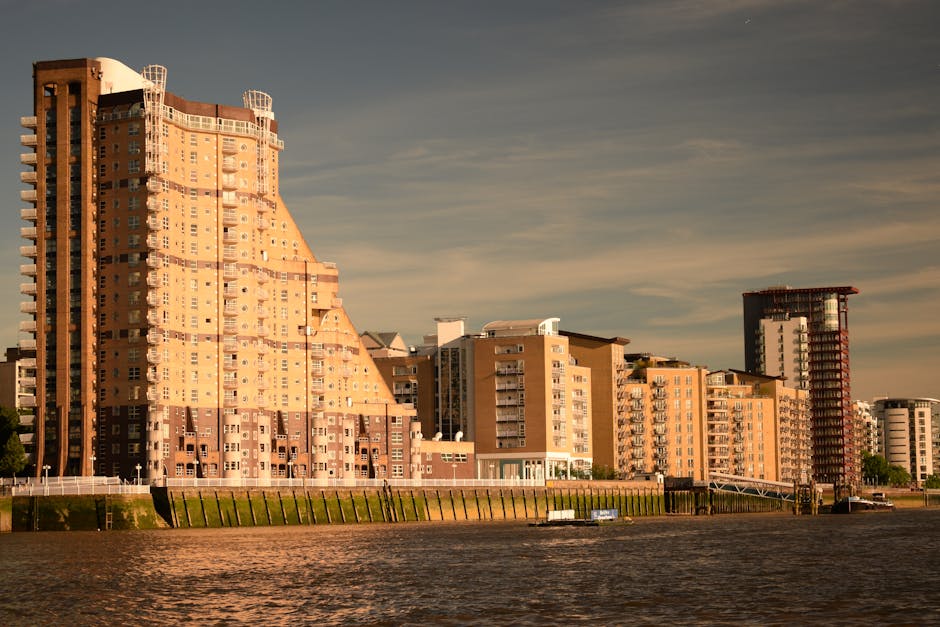
Rubbish removal Putney Bridge riverside homes: a practical guide for tidy, stress-free clearances
If you live in one of the Putney Bridge riverside homes, rubbish can build up in a very specific way: a bulky chair in the hall, old boxes after a move, garden waste after a windy weekend, or a stack of flat-pack packaging that somehow never shrinks. Rubbish removal Putney Bridge riverside homes is not just about making space. It is about dealing with access, noise, timing, neighbours, waste sorting, and the simple fact that riverside living often means less storage than you expect. This guide walks through what the service involves, how it works, and how to choose the smartest route for your home.
We will cover practical options, common mistakes, compliance points, and a few real-world details that matter more than most generic pages admit. If you want a cleaner flat, a calmer hallway, and a disposal plan that does not turn into a Saturday nightmare, you are in the right place.
Why Rubbish removal Putney Bridge riverside homes Matters
Riverside homes around Putney Bridge often have a few quirks that make rubbish removal feel different from a standard house clearance. Space is usually tighter. Parking can be awkward. Stairwells may be narrow. Deliveries, bin day, and peak traffic can all collide at the worst possible moment. Add in shared entrances, lift rules, or a property manager who prefers advance notice, and suddenly "just getting rid of a few bits" becomes a proper logistics job.
That is why a well-planned rubbish removal service matters. It helps you stay on top of clutter before it gets out of hand, but it also protects communal areas, reduces the risk of damage, and keeps the process calm. To be fair, riverside living is lovely when everything is in order. When it is not, one forgotten sofa in the hallway can feel like an event.
There is also the practical side. Wet weather, muddy footwear, and busy weekends all make self-managed disposal a bit more annoying than expected. If you have ever stood in a corridor wondering how a broken wardrobe got there in the first place, you will know the feeling.
Expert summary: For Putney Bridge riverside homes, good rubbish removal is really about access planning, responsible sorting, and avoiding damage to shared spaces. The "best" service is usually the one that is efficient, careful, and realistic about building constraints.
How Rubbish removal Putney Bridge riverside homes Works
The exact process varies by provider, but a sensible rubbish removal job usually follows a straightforward pattern. First, you describe what needs clearing. Then the team estimates the load, access, and any special handling needed. After that, collection is arranged and the waste is loaded, sorted, and taken away for appropriate disposal or recycling.
For riverside homes, the access conversation is often the most important part. Is there a lift? Are there steps at the front or back? Can a vehicle stop nearby without blocking traffic? Is the rubbish in a basement storage room, top-floor flat, or a terrace with tricky garden access? These details affect both timing and cost, so it is worth being specific. A five-minute phone call can save a half-hour headache. Sometimes more.
Common types of rubbish in this setting include old furniture, broken appliances, boxed-up household clutter, renovation leftovers, and garden cuttings. If you have mixed waste, a reliable service should explain what can be taken, what may need specialist handling, and what is better separated in advance. For larger or more varied jobs, some customers also use home clearance, flat clearance, or house clearance services where the waste is part of a broader declutter rather than a one-off bag collection.
If the job involves old sofas, mattresses, or bulky seating, it can be useful to look at mattress and sofa disposal or furniture disposal. For single items, that is often simpler than arranging a general clearance. For mixed loads, a broader waste removal service may be the cleaner fit.
Key Benefits and Practical Advantages
The most obvious benefit is space. Clearing rubbish from a riverside home instantly makes rooms feel more usable, especially in flats where every square metre counts. But the real value goes beyond a tidy living room.
- Less clutter, less stress: clutter tends to spread. One pile becomes two, then the cupboard starts to protest.
- Better use of shared areas: keeping hallways, stairwells, and entrances clear is considerate and safer.
- Faster turnarounds: ideal if you are moving out, staging a property, or getting ready for a letting inspection.
- More controlled disposal: you know where the waste is going rather than leaving it to chance.
- Reduced lifting risk: heavy or awkward items are easier to manage when handled by experienced teams.
- Potential recycling benefits: reusable and recyclable items can often be separated from general waste.
There is a quiet advantage too: it makes day-to-day life easier. When the spare room is not doubling as a storage unit, you can actually open the door without bracing yourself first. Small joy, but a real one.
If sustainability matters to you, it is worth asking how items are sorted. A company that treats recycling seriously will usually be transparent about reuse, recovery, and responsible disposal. You can also explore recycling and sustainability to understand how materials are commonly handled.
Who This Is For and When It Makes Sense
This kind of rubbish removal makes sense for a wide range of riverside residents. In practice, it is often booked by people in one of these situations:
- you have recently moved in and are clearing leftover packing material
- you are moving out and need to leave the home in a decent state
- you are replacing furniture or appliances
- you are dealing with renovation waste after decorating
- you are clearing storage areas, lofts, garages, or garden spaces
- you want a one-off sort-out rather than a recurring service
It is also useful for landlords and managing agents who need properties cleared between tenancies. A riverside flat can be deceptively hard to clear if there is leftover furniture, damp cardboard, old white goods, or items stored in odd corners. The more mixed the waste, the more sensible it becomes to get help rather than piecing it together yourself.
For example, a tenant might leave behind a mattress, a desk, and several bags of household junk. That is not quite a full house clearance and not quite a single-item pickup either. In that middle ground, professional rubbish removal is often the neatest option.
Businesses based nearby can also benefit from business waste removal if the job is not domestic at all, but still needs careful handling and reliable timing.
Step-by-Step Guidance
Here is the simplest way to approach rubbish removal without overcomplicating it.
- List everything you want removed. Be specific. "A few bits" is not as helpful as "one wardrobe, two bags of mixed waste, one old rug, and packaging."
- Separate obvious categories. Put recyclables, bulky furniture, and any risky items into different piles if you can.
- Check access. Note stairs, lifts, parking limits, narrow gates, or any building rules.
- Flag special items early. Fridges, freezers, and anything hazardous should never be treated as ordinary rubbish.
- Ask about pricing and timing. A clear quote is better than guesswork, especially when access is tricky.
- Prepare the route. Move fragile items, protect flooring if needed, and keep entrances as clear as possible.
- Be present if you can. A quick walkthrough avoids confusion when the team arrives.
For larger or more awkward jobs, it can help to plan in zones: living room first, then storage, then kitchen, then exterior spaces. It sounds obvious, but in a flat with limited space, order matters. Otherwise you just move the mess from one corner to another. Not exactly progress.
If you are unsure what can go with what, a useful reference is what can go in a skip. Even if you are not actually using a skip, the same logic often applies: keep the load sensible, separate restricted items, and avoid mixing everything blindly.
Expert Tips for Better Results
In real jobs, the difference between a smooth clearance and a frustrating one often comes down to a few small decisions.
- Photograph the load before collection. Useful for quoting and for keeping everyone on the same page.
- Measure bulky furniture. A sofa that "should fit" sometimes does not. The hallway will tell the truth.
- Keep a separate pile for reusables. If something is still decent, decide in advance whether to keep, donate, or dispose of it.
- Book earlier in the day if access is shared. Riverside blocks can get busy with residents coming and going.
- Warn neighbours if necessary. Especially if you are clearing at a time when noise may carry.
- Ask how items will be handled. You want confidence that the waste will be sorted properly, not just tipped into a general pile and forgotten about.
A small but useful tip: tape up loose screws, brackets, and shelf supports in a labelled envelope and attach it to the relevant furniture. It saves time and avoids tiny metal bits scattering across the floor. Annoying little things, those.
If you have appliances to remove, look at fridge and appliance removal. White goods are one of those categories that seem straightforward until you are trying to drag a heavy unit down a stairwell. No thanks.
Common Mistakes to Avoid
A lot of rubbish removal problems are self-inflicted, honestly. The good news is that most of them are easy to avoid once you know what to look for.
- Leaving access checks too late. If the van cannot get close or the lift is too small, everyone loses time.
- Mixing hazardous items with general rubbish. These need specialist handling and should be flagged immediately.
- Underestimating how much waste there is. A couple of bags turns into a pile when you start opening cupboards.
- Forgetting about shared building rules. Some buildings require advance notice, porter coordination, or lift protection.
- Assuming everything can be taken the same way. Furniture, food waste, electronics, and renovation waste are not identical, even if they all sit in the same corner today.
Another common slip is waiting until the rubbish has spread into a safety issue. A blocked passageway, stacked bags near the door, or unstable furniture can create real trip hazards. It is not worth the risk. Clear it early, while it is still manageable.
If your clear-out is linked to a refurbishment or decorating project, you may also need builders waste clearance. That is a different category altogether from domestic clutter, and it is better to separate it properly.
Tools, Resources and Recommendations
You do not need fancy equipment for a basic clear-out, but a few simple tools can make the job much easier.
| Tool or resource | Why it helps | Best used for |
|---|---|---|
| Heavy-duty bags | Reduce splitting and make loading easier | Mixed household rubbish, smaller items |
| Labelled boxes | Keep keepers, recyclables, and waste separate | Moves, storage rooms, decluttering |
| Measuring tape | Helps with large furniture and access planning | Sofas, wardrobes, appliances |
| Floor protection | Useful in shared hallways or polished interiors | Riverside flats with narrow routes |
| Quote request with photos | Improves accuracy and reduces surprises | Any job with bulky or mixed waste |
On the service side, the most useful pages to review before booking are usually pricing and quotes, book online, and insurance and safety. Those pages help set expectations around the booking process, pricing approach, and how responsible operators protect your home and their team.
If you are clearing a room full of heavy chairs, tables, or mixed furnishings, furniture clearance can be a helpful fit. For very specific bulky items, furniture disposal may be the cleaner route.
Law, Compliance, Standards, or Best Practice
For rubbish removal, compliance is mostly about responsible waste handling, safe transport, and making sure restricted items are treated correctly. In the UK, waste should be managed by people who understand the relevant duties around handling, disposal, and traceability. You do not need to memorise the law to make a good decision, but you should expect a provider to act carefully and professionally.
From a homeowner's perspective, the main best practices are simple:
- do not leave waste in communal areas longer than necessary
- keep hazardous or specialist items separate
- use a provider that can explain what happens to the waste
- avoid fly-tipping risk by never handing rubbish to an unknown operator
- ask about sorting, recycling, and proper disposal routes
If you are dealing with items that may be hazardous, such as certain chemicals, paints, or contaminated materials, you should treat those with extra care and use the appropriate specialist route. A simple domestic clear-out is one thing; unsafe materials are another entirely.
It is also sensible to review a company's public information on health and safety policy and complaints procedure. That does not mean problems are expected. It just shows the operator has thought through the boring-but-important bits. And boring, in this case, is reassuring.
Options, Methods, or Comparison Table
There is more than one way to clear rubbish from a Putney Bridge riverside home. The right choice depends on how much you have, how awkward it is, and how quickly you need it gone.
| Method | Best for | Pros | Watch-outs |
|---|---|---|---|
| Small self-clear with bags and car trips | Very minor rubbish loads | Flexible, simple for tiny jobs | Time-consuming, parking stress, lifting risk |
| Skip-style approach | Renovation or ongoing waste | Useful for larger volumes, straightforward loading | Space and permit considerations, not ideal for narrow access |
| Professional rubbish removal | Mixed waste, bulky items, flats, awkward access | Fast, less lifting, better for shared buildings | Needs a clear description of the load and access |
| Specialist item disposal | Appliances, mattresses, hazardous items | Safer handling for specific categories | Not suitable for all general rubbish |
For many riverside homes, professional collection is simply the least messy route. If you are trying to clear a flat before handover, for example, you probably want one neat visit rather than a whole weekend of lifting, queuing, and rethinking your life choices.
Case Study or Real-World Example
Here is a very typical scenario. A resident in a Putney Bridge riverside flat decides to clear out a spare room that has become storage. There are three bags of soft clutter, an old bedside table, a broken office chair, a mattress, and a small stack of cardboard from recent deliveries. Nothing dramatic. Just enough to be annoying.
The main issue is access. The building has a shared entrance, a lift that is not especially roomy, and a short stretch of corridor that needs to stay clear for neighbours. Rather than carrying things down in multiple trips over a whole afternoon, the resident lists the items, checks which pieces may need special handling, and arranges one collection window when access is easiest.
On the day, the team takes the bulky items first, then the mixed bags, then checks the corners where clutter tends to hide. A quick pass, a clear route, and the room looks usable again by the end of it. The real win is not just the empty space. It is the relief of not having to negotiate around the pile every single day.
That kind of result is exactly why organised rubbish removal works so well for riverside homes. It is practical, it respects the building, and it stops a small mess from becoming a bigger one.
Practical Checklist
Use this before booking or on the morning of the collection.
- Identify every item or bag you want removed
- Separate furniture, general waste, appliances, and anything hazardous
- Check stairs, lifts, parking, and entrance restrictions
- Measure any large item that may be awkward to move
- Protect floors or walls if the route is tight
- Keep a clear pathway from the waste to the exit
- Tell the provider about any fragile surfaces or shared areas
- Confirm pricing, timing, and what is included
- Review whether recycling or reuse is part of the process
- Set aside anything you want to keep before the team arrives
Quick takeaway: the more accurately you describe the waste and access, the easier the whole job becomes. Simple, but true.
Get a free quote today and see how much you can save.
Conclusion
Rubbish removal Putney Bridge riverside homes is really about making a busy, space-conscious part of London feel easier to live in. Once you factor in tight access, shared entrances, and the usual day-to-day clutter of modern life, a careful clear-out service starts to look less like a luxury and more like a sensible bit of maintenance.
The best results come from good planning, honest item lists, and a provider that understands how riverside properties work in real life. Not everything needs a dramatic overhaul. Sometimes you just need the sofa gone, the boxes out, and the hallway back to normal again. And that, frankly, can feel brilliant.
If you want to learn more about the company behind the service, you can also read about us or check the main website for broader service information.
Clear space has a funny effect. The room feels lighter, the day feels calmer, and suddenly the flat looks a bit more like home again.
Frequently Asked Questions
What does rubbish removal for Putney Bridge riverside homes usually include?
It usually includes the collection and disposal of mixed household waste, bulky items, furniture, bagged clutter, and sometimes appliances, depending on the provider and item type.
Is rubbish removal better than hiring a skip for a riverside flat?
Often, yes. For flats with limited access, stairs, lifts, or parking restrictions, a collection service is usually easier than managing a skip. A skip can still work for some jobs, but access matters a lot.
How should I prepare for a rubbish removal collection?
Make a list of the items, separate anything hazardous, clear the route to the door, and share access details in advance. The more accurate the information, the smoother the collection.
Can old furniture be taken from a Putney Bridge riverside home?
Yes, usually. Sofas, wardrobes, chairs, tables, and mattresses are commonly removed. Larger items may need specific handling, especially in buildings with narrow corridors or stairs.
What happens if I have appliances to remove?
Appliances often need separate handling, especially fridges or other bulky white goods. It is best to mention them early so the collection is planned correctly.
Do I need to be at home during the collection?
Not always, but it is helpful. Being present means you can confirm exactly what goes and answer any quick questions about access or item grouping.
What if my building has strict access rules?
Tell the provider in advance. Shared entrances, lift booking rules, and quiet hours are common in riverside developments, and they should be factored into the plan.
Can rubbish removal include garden waste from riverside terraces?
Yes, often it can. Light garden waste, old planters, soil bags, and cuttings may be suitable, although some materials may need separate handling. A dedicated garden clearance can be useful for larger outdoor jobs.
Is recycling part of the process?
It should be where possible. Many services sort reusable and recyclable items separately, though the exact handling depends on the waste type and the operator's process.
How do I know if I need a full clearance rather than simple rubbish removal?
If the job involves clearing multiple rooms, a whole property, or a large amount of mixed contents, a broader service such as home clearance or house clearance may be more suitable than a small collection.
What should I do with hazardous items?
Do not mix them with ordinary rubbish. Flag them separately and ask for proper guidance. Hazardous materials need more careful handling and should never be left to guesswork.
How can I get a quote quickly?
Prepare a short item list, take a few photos, and use the booking or quote pages provided by the company. That usually gives the clearest and fastest response.
What is the best next step if I am not sure what service I need?
Start with the items you want removed and the access details. Then compare options like general waste removal, furniture disposal, or a broader clearance. A clear description usually makes the right choice obvious.